
Suceava Private Driver Guide for Bucovina
02/09/2026
A Bucovina Monasteries Tour Worth Your Day
06/09/2026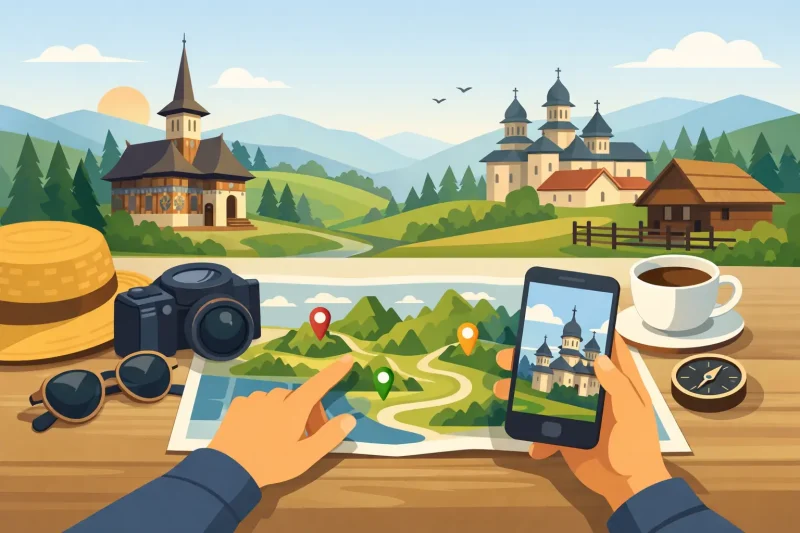
A Bucovina itinerary can look simple on a map until you notice what lies between the painted monasteries: winding roads, quiet villages, mountain passes, and places where the story matters as much as the building. To plan a private Bucovina tour well, begin not with a checklist, but with the kind of day you want to remember. Would you rather spend unhurried time studying the frescoes at Voroneț, add a mountain viewpoint in Rarău, meet local craftspeople, or build a route around family history and faith?
A private itinerary gives you the freedom to choose. It also makes a practical difference in a region where the most rewarding sites are spread across several valleys. With a local guide-driver and comfortable transport, the journey between monasteries becomes part of the experience rather than a logistical puzzle.
Start With Your Reason for Visiting Bucovina
Bucovina welcomes travelers with different interests, and the best route depends on yours. First-time visitors often want a well-balanced introduction to the painted monasteries, rural landscapes, and regional history. Art and architecture enthusiasts may prefer more time at each church, with attention to iconography, restoration, and the distinct styles of the Moldavian rulers who commissioned them.
For some travelers, the journey is personal. They may wish to visit Putna, the burial place of Stephen the Great, or include Pătrăuți, Arbore, and Dragomirna for a deeper view of religious art and monastic life. Families may want shorter drives, flexible stops, and room for a traditional lunch or a visit to a local museum. Couples often choose a slower rhythm, combining cultural visits with the scenery of the Rarău Mountains.
Sharing these priorities before departure helps shape a route that feels considered rather than rushed. A private tour is not simply a standard circuit with fewer people in the vehicle. It should reflect your pace, interests, and available time.
Choose the Right Length for a Private Bucovina Tour
A full day is enough for a meaningful introduction, particularly if you are staying in Suceava, Gura Humorului, or nearby. It is usually best to focus on one geographic area rather than trying to cross all of Bucovina in a single day. The monasteries deserve time, and the roads can be longer than expected.
One day: a focused monastery route
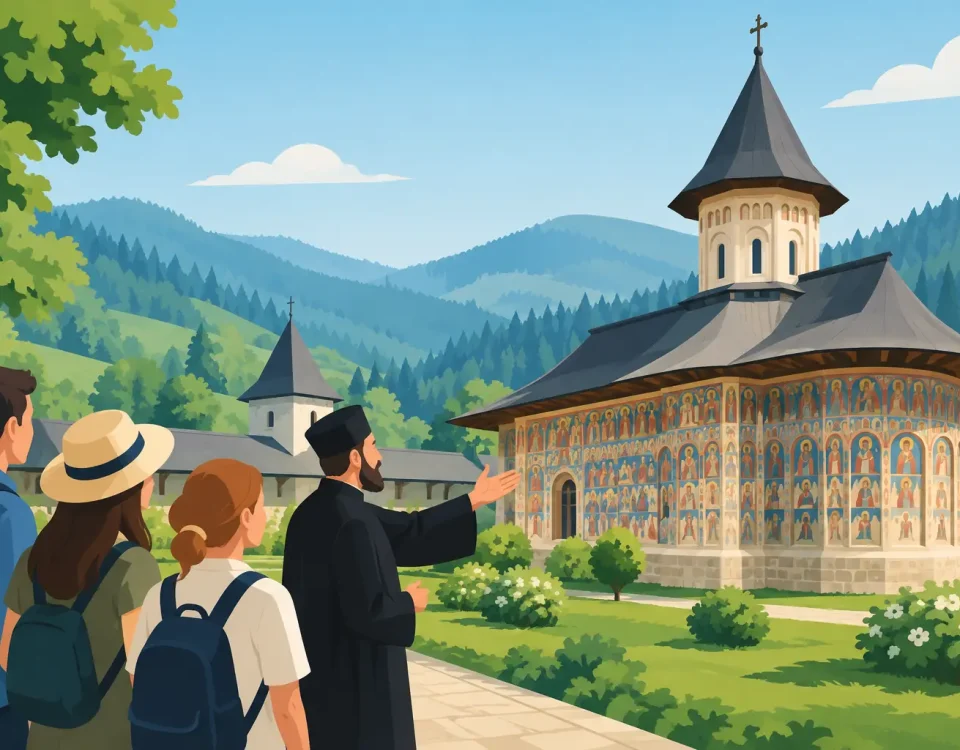
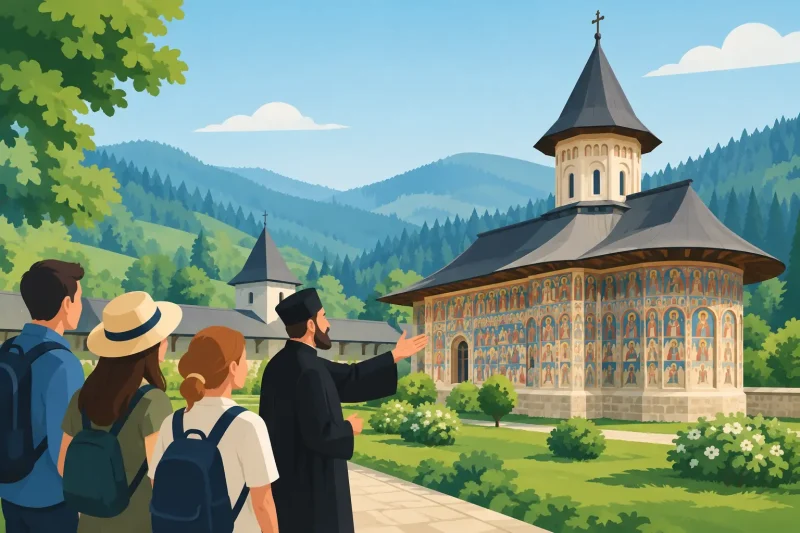
A classic painted monasteries route of Bucovina may include Humor, Voroneț, Moldovița, and Sucevița. These sites are connected by a scenic journey through villages and forested hills. Voroneț is celebrated for its intense exterior blue and its Last Judgment scene, while Humor has a more intimate character and remarkable red-toned paintings. Moldovița and Sucevița reward visitors who want to understand how color, theology, and political history meet on the walls of a church.
This is a rich day, but it is a full one. If you prefer long visits, photography stops, or a leisurely meal, choose three monasteries instead of four.
Two days: room for context and local life
Two days allow the itinerary to breathe. One day can follow the western monastery circuit, while another can take you toward Putna, Arbore, and the northern valleys. This pace also creates opportunities for experiences that are difficult to fit into a day trip: a ceramics workshop, the Egg Museum in Vama, a traditional meal, or time in Câmpulung Moldovenesc.
A two-day tour is especially suitable for travelers who want to understand Bucovina beyond its famous landmarks. The region is not a museum route. It is a living cultural landscape, shaped by Orthodox traditions, crafts, forests, and communities with deep ties to place.
Three or more days: build around a theme
With three days or longer, you can combine the monasteries with mountain scenery, heritage sites, and lesser-known stops. Consider a day in the Rarău Mountains, where panoramic roads and walking options offer a contrast to the quiet concentration of the churches. Depending on season and interests, a ride on the Mocănița steam train can add a memorable rural and industrial heritage experience.
Travelers with Romanian family roots, academic interests, or a passion for sacred art may also use additional days to visit Pătrăuți, Dragomirna, Suceava Fortress, and regional museums. If your itinerary includes Chernivtsi in Ukraine, allow extra planning time for border formalities and current travel conditions.
Select Monasteries by Experience, Not Fame Alone
The painted monasteries are often described together, but each creates a different impression. Choosing only the most famous names can mean missing a place that better matches your interests.
- Voroneț is ideal for first-time visitors and lovers of monumental art. Its blue exterior frescoes are among the defining images of Bucovina.
- Humor offers a smaller scale and a warm, contemplative atmosphere, with expressive paintings and a beautiful setting near Gura Humorului.
- Moldovița is known for its bright colors and the powerful Siege of Constantinople fresco, a scene full of symbolism and historical ambition.
- Sucevița has extensive, exceptionally preserved exterior paintings and an imposing fortified appearance. Its Ladder of Divine Ascent is a highlight for visitors interested in religious imagery.
- Putna carries a strong historical and spiritual presence as the monastery founded by Stephen the Great. It is an essential stop for those drawn to Romanian history.
- Arbore is quieter and architecturally distinctive, known for frescoes in softer green tones and for the sense of discovery it offers beyond the main routes.
Pătrăuți and Dragomirna bring further depth to a private program. Pătrăuți is the oldest of the painted churches included in the UNESCO group, while Dragomirna stands apart through its tall, elegant proportions and fortified monastic complex.
Plan for Distances, Seasons, and Comfort
Bucovina is beautiful because it is spacious. That also means itineraries need realistic timing. A route with several monasteries may involve hours in the car, especially when starting from Suceava or when adding mountain locations. Private transportation lets you use that time comfortably, stop when the landscape calls for a photo, and adjust the order of visits when weather or traffic changes the day.
Spring and early fall are particularly pleasant for touring, with comfortable temperatures and green or gold countryside. Summer brings long days and lively villages, although popular sites can be busier. Winter has a special calm, especially after fresh snow, but road conditions and daylight should guide the route. A shorter winter itinerary often offers a better experience than trying to cover too much ground.
Dress respectfully for active monasteries. Shoulders and knees should be covered, and comfortable walking shoes are useful for uneven paths, courtyards, and village stops. Photography rules can vary from one site to another, especially indoors, so a guide can help clarify what is appropriate.
Add One Experience That Makes the Route Personal
The difference between a good private tour and a memorable one is often a single well-chosen addition. A visit to a painted monastery can be paired with a local lunch, a ceramics demonstration in Marginea, a collection of decorated eggs, or a mountain stop near Rarău. These experiences add texture without taking attention away from the cultural heart of the day.
It is worth resisting the temptation to add every possible attraction. A day that combines four monasteries, a steam train, a long hike, and several museums may sound ambitious, but it can leave little time to absorb any of them. Choose one extra element that speaks to you. For many travelers, that is enough to turn a route into a personal story.
What to Request When You Plan a Private Bucovina Tour
When contacting a local operator, provide your travel dates, pickup location, group size, and preferred language. Mention whether anyone in your group has limited mobility, whether you are traveling with children, and how much walking feels comfortable. These details influence the vehicle, timing, and sequence of stops.
Also be clear about your priorities. You may want an art-focused explanation of frescoes, a history-centered route, a relaxed day with village scenery, or a program that includes vegetarian meal options. A licensed local guide-driver can make informed recommendations while keeping the travel day practical.
AXA Travel organises private Bucovina programs from the region itself, combining local guiding, transport, and itineraries tailored to couples, families, and small groups. That local knowledge matters when a monastery schedule changes, a mountain road needs a weather check, or a quiet stop outside the usual route would better suit your interests.
Bucovina is best experienced with enough time to look up at the painted walls, listen to the stories behind them, and notice the villages that continue around them. Leave space in your plan for an unplanned view, a conversation, or one monastery that stays with you longer than expected.